It is said that to really know a city, it is not enough to visit its most famous monuments, but rather it is necessary to explore those places where the history, memory and traditions of its people continue to be perceptible and recognizable over time.
In Palermo, these places are its historic markets, which are open air and mainly food markets: La Vucciria, Ballarò and Il Capo. Far from being simple shopping areas, they have always represented the beating heart of the city, symbols of identity where food tells stories, customs and identities deeply rooted in time.
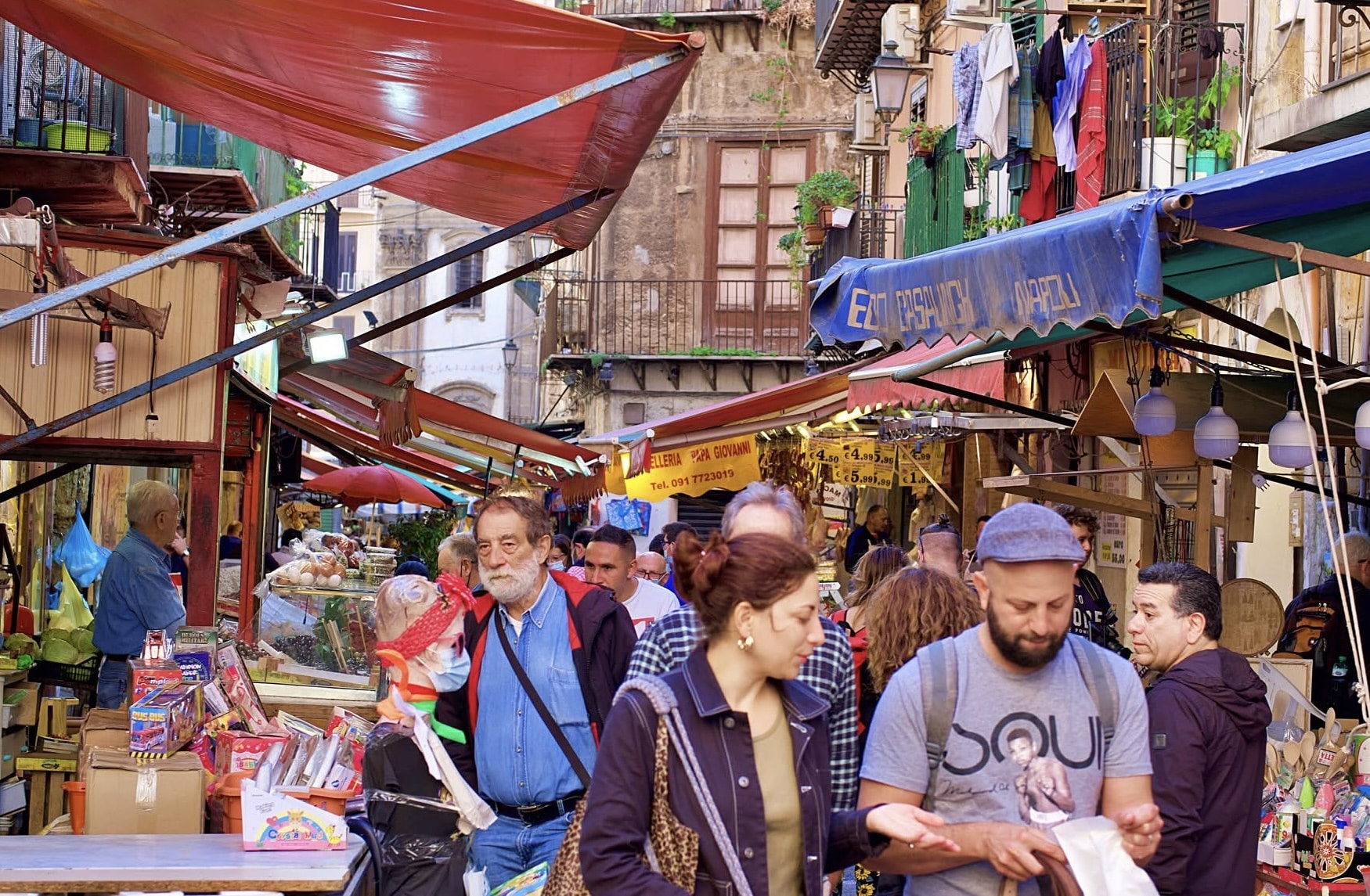
Today, however, these spaces are undergoing a significant transformation. Recognised as essential stops on tourist routes in the historic centre, the markets are becoming increasingly tourist oriented, with an offering often dedicated to ready made food and quick consumption.
In this process, their value of authenticity and tradition may become confused by a predominantly folkloric image. The market stalls once filled with fruit, vegetables, fish and meat are gradually giving way to bars, restaurants and pubs open until late at night, designed to attract as many visitors as possible. Among these, however, there is still one particular place that has retained its original identity: the Ballarò market, the only one that seems to resist standardisation and transformation, where it is still possible to perceive the historical and cultural characteristics of Palermo.
Located in the heart of the historic centre, between Corso Tukory and Porta Sant’Agata, it is the largest and oldest market in the city and represents an unmissable stop for those who want to discover the authentic culinary tradition of Palermo.
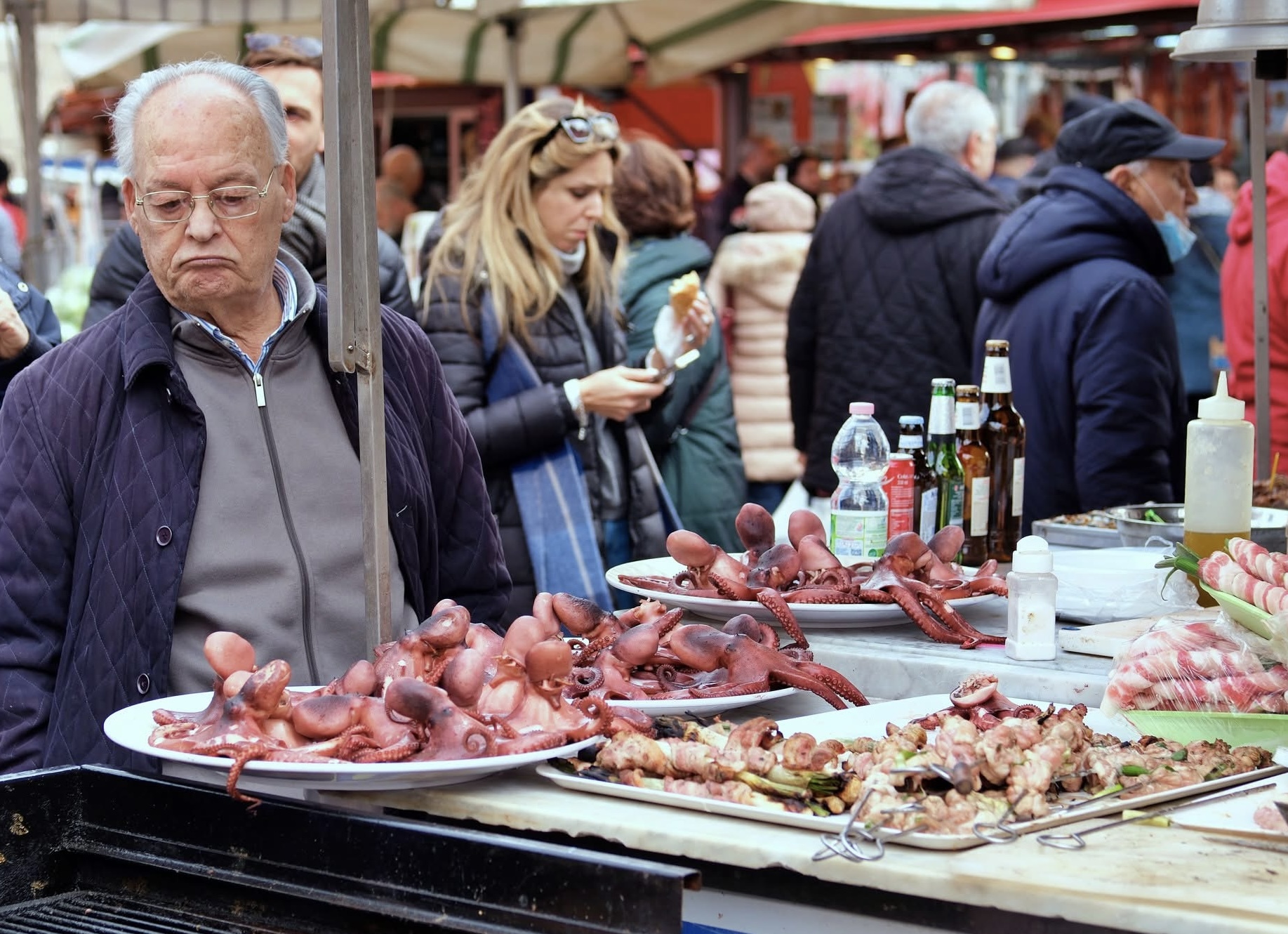
Today, it extends beyond its original boundaries, winding its way through a network of narrow streets filled with a multitude of wooden stalls protected by colourful awnings. Beyond these, marking its presence in the neighbourhood are the inevitable and now representative cries of the vendors, called “abbanniate” in the Palermo dialect: true vocal melodies reminiscent of advertising slogans, designed to capture the attention of visitors. These voices are so loud and decisive that they spread far beyond the market area, making it immediately recognisable even in the surrounding urban context.
Stepping through the entrance, visitors are immediately swept up in a riot of sounds, smells, and colors from the early hours of the morning: a powerful expressive force, capable of evoking flavors, sensations, and traditions shared by the multitude of faces and cultures that animate one of the city’s most diverse urban fabrics.
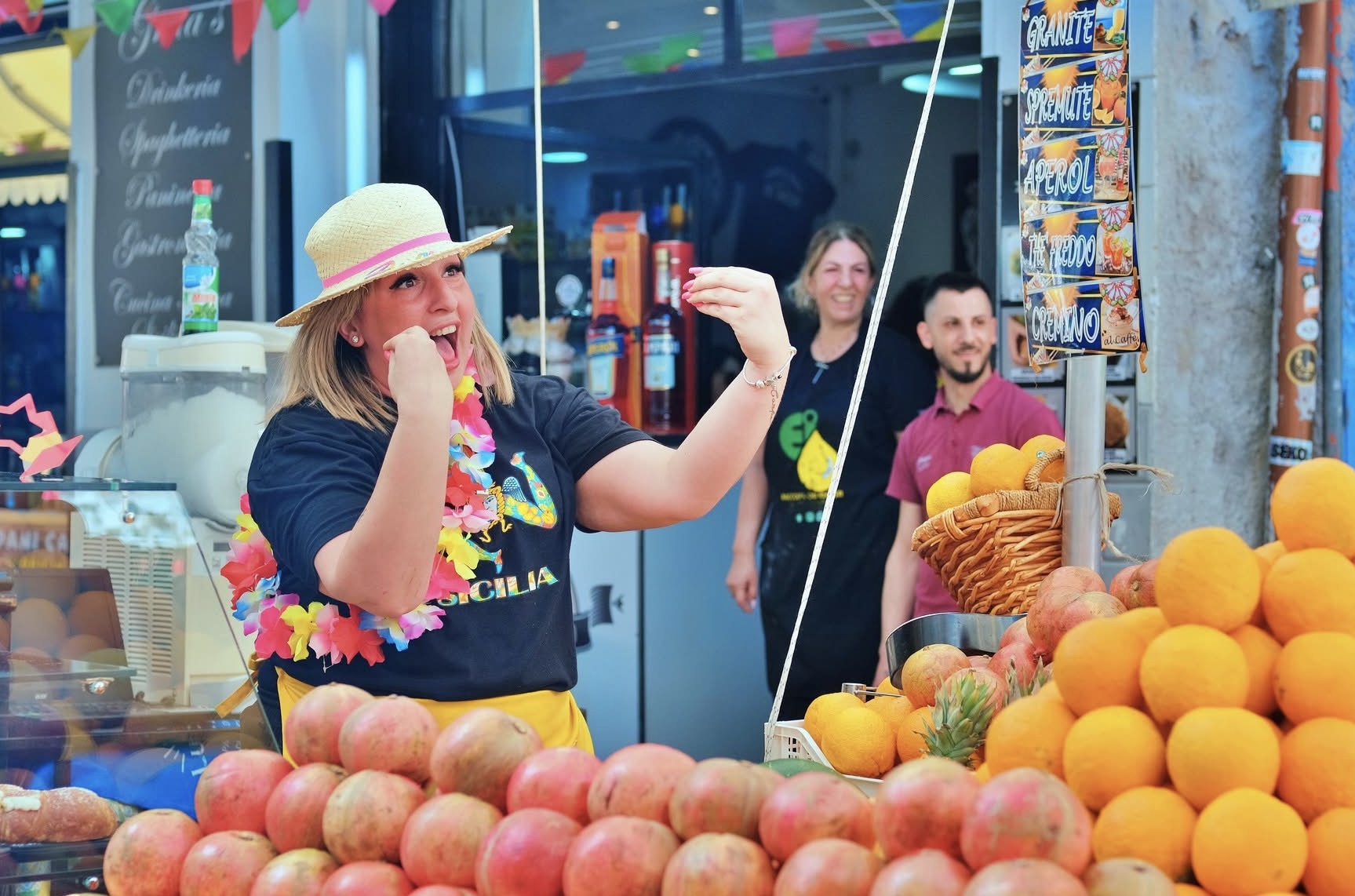
Upon entering, from the early hours of the morning, you are overwhelmed by an explosion of sounds, smells and colours: an intense expressive force, capable of evoking flavours, sensations and traditions shared by the multitude of faces and cultures that animate one of the city’s most diverse urban fabrics.
The culinary specialities of the Palermo tradition are the absolute protagonists: from panelle and crocchè, historic recipes based on chickpea flour, to sfincione, bread with spleen, to fresh fish, displayed every day on the market stalls or prepared according to the most traditional recipes. Among these, the swordfish caponata, a typical Sicilian speciality, boiled octopus, sardine balls, and fried squid and cuttlefish stand out. Of course, there are arancine, stigghiole roasted on the spot, and boiled vegetables such as cardoons, artichokes, and potatoes, immersed in large pots of steaming water. To make the offering even richer, there are all kinds of olives, seasoned or natural, sun-dried tomatoes, local cheeses, cured meats, fresh fruit and a rich variety of spices, which blend with the unmistakable aromas of street food.
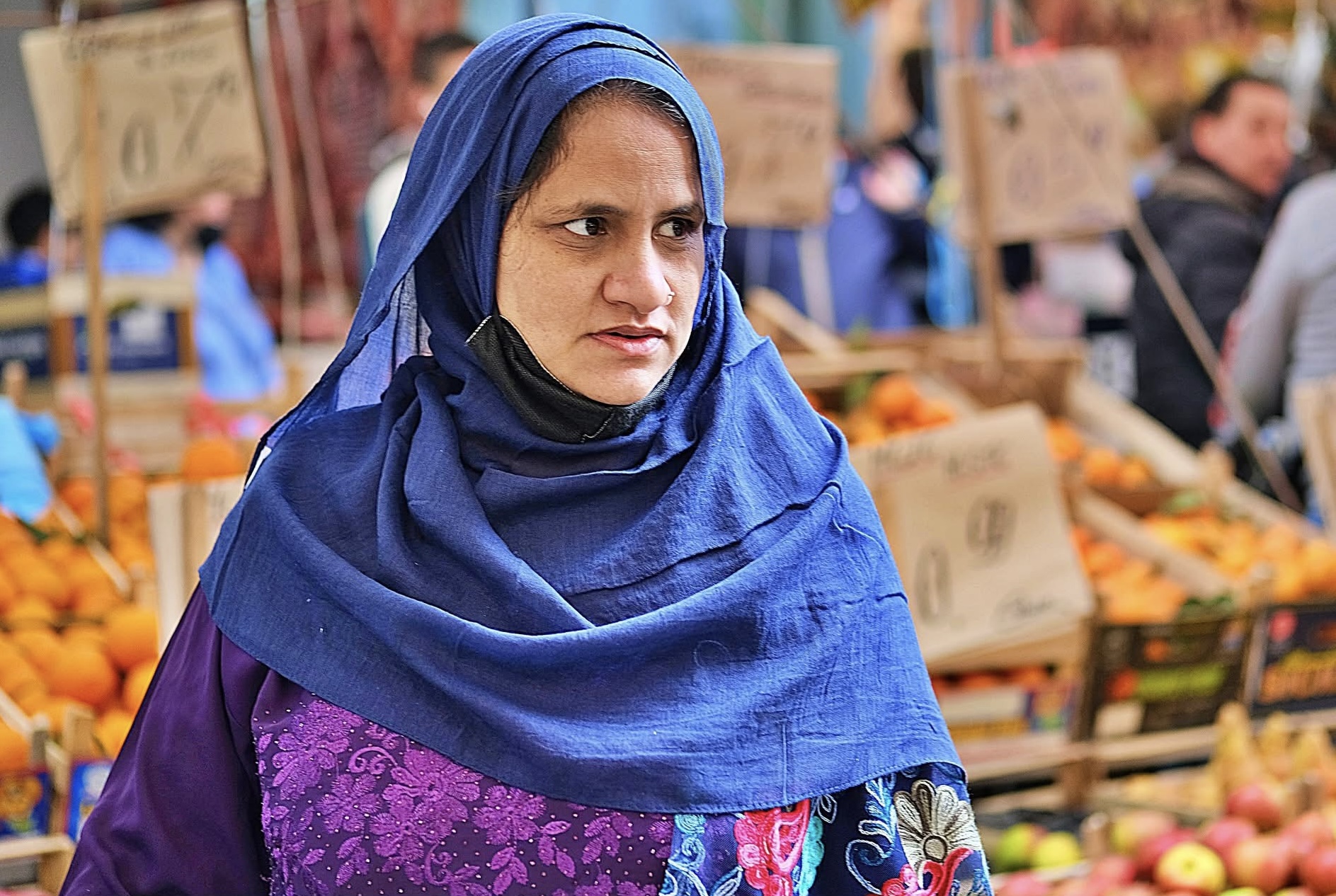
The Ballarò area thus becomes a theatre of socialising and conviviality, establishing itself as an experiential space dedicated to people, where residents and tourists, taking advantage of the market, meet not only for purely food-related consumption.
The market thus establishes itself as a promoter of multi-ethnic spatiality, a theatre of encounters between flavours, recipes, practices and popular customs that are renewed over time. Its presence, perceptible in the daily life of the neighbourhood, not only enriches the atmosphere but is also a determining factor in its identity.

Authentic Sicilian ingredients, delivered to your door
Shop Bronte pistachios, artisan pasta, extra virgin olive oil and more on Dolceterra.com — use code SICILIANFOODCULTURE10 for 10% off your order.
If you enjoyed this article, consider supporting us with a small donation — it helps keep the site running!
 Buy us a Cannolo!