

Easter in Sicily is something you feel in the air long before it arrives. The smell of orange zest and cinnamon drifting from kitchen windows, the sound of neighbors comparing recipes, it’s one of those moments when food stops being just food and becomes something closer to memory and ritual.
Cassatedde pasquali are part of that world. Small baked pastries, filled with sweetened ricotta and scented with citrus and cinnamon, they’re the kind of thing Sicilian families have been making at home for generations: not because a recipe book told them to, but because their grandmother did, and hers did before her.
The combination at the heart of these pastries, ricotta, sugar, warm spices, has extraordinarily deep roots on the island. Ricotta-based sweets were already known in Greek and Roman Sicily, and when the Arabs arrived they brought cane sugar and cinnamon, quietly reshaping the flavor of Sicilian desserts in ways that still show up on tables today. Over centuries, this ricotta tradition branched into dozens of local interpretations: cassata, cassatelle, and countless lesser-known variants that change from one town to the next. In many parts of eastern Sicily, cassatedde became the Easter version, made in the days before the holiday, shared with family and neighbors, eaten still slightly warm if you were lucky enough to be in the kitchen when they came out of the oven.
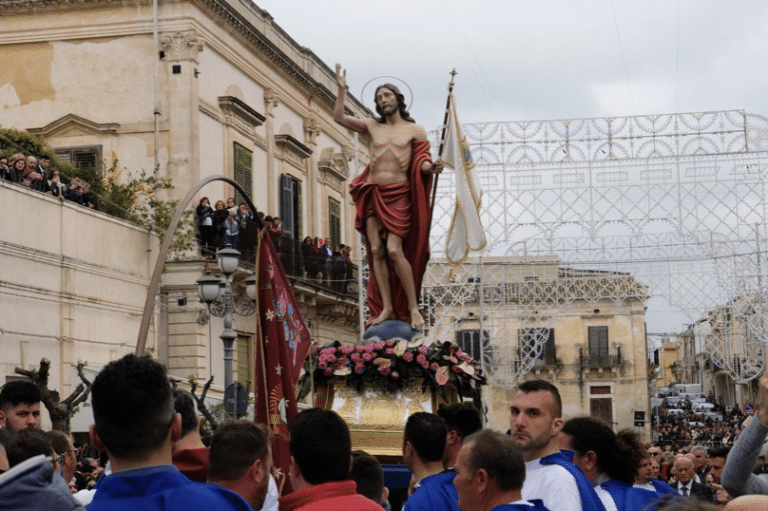
There’s also a layer of symbolism worth mentioning. Sicilian Easter sweets rarely exist in a vacuum and they tend to carry echoes of older seasonal rituals, references to fertility, rebirth, the return of spring. If that side of things interests you, we explored it in depth in our piece “Easter in Sicily: a Celebration of Plant Symbols and Ritual Foods”, where traditional dishes and ingredients are read against the backdrop of ancient seasonal customs and Christian tradition.
Cassatedde are a quiet recipe. Simple ingredients, nothing showy, but every bite carries a surprisingly long history behind it.
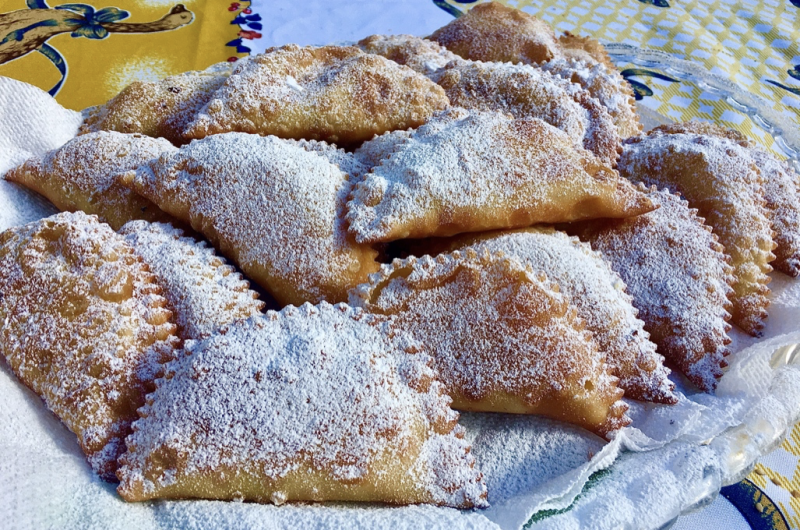
Cassatedde Pasquali (Sicilian Easter Sweet Ricotta Pastries)
Course: Dessert, RecipesDifficulty: Medium24
piecesTraditional Sicilian cassatedde pasquali recipe made with sweet ricotta filling and baked pastry, a classic Easter dessert from Sicily.
Ingredients
- Dough
500 gr Flour type 00
80 gr sugar
50 gr lard
Water
Pinch of salt
- Filling
Ricotta (sheep) 500gr
Sugar. 150gr
1 egg
Cinnamon
Milk
- Garnish
Powdered Sugar
Directions
- Prepare the dough
In a stand mixer, combine the flour, lard, sugar, water, and a pinch of salt. Mix until a smooth dough begins to form. - Rest the dough
Transfer the dough to a lightly floured surface and knead it briefly until smooth. Wrap it and let it rest in the refrigerator for about one hour. - Prepare the ricotta filling
Meanwhile, prepare the filling. In a bowl, combine the ricotta (previously strained and mixed with sugar) with the egg, milk, and a pinch of cinnamon. Mix until smooth and creamy. - Shape the pastries
Once the dough has rested, roll it out with a rolling pin. Cut out circles using a pastry cutter, then gently pinch the edges of each disc to form small baskets that will hold the filling. - Fill and decorate
Fill each pastry with the ricotta cream. Decorate the top with two thin strips of dough placed in a cross pattern. - Bake
Bake in a preheated oven at 190°C (375°F) for about 25 minutes, until lightly golden. - Serve
Let the cassatedde cool slightly, then finish with a light dusting of powdered sugar and a sprinkle of cinnamon before serving.

Authentic Sicilian ingredients, delivered to your door
Shop Bronte pistachios, artisan pasta, extra virgin olive oil and more on Dolceterra.com — use code SICILIANFOODCULTURE10 for 10% off your order.
If you enjoyed this article, consider supporting us with a small donation — it helps keep the site running!
 Buy us a Cannolo!


I miss my Sicilian great grand-parents. Great grandma’s cooking and baking and Great grandpa’s wine he made in the basement. I miss the stories. I was fortunate to know them into my teen years. I hope this cute can rekindle some memories.
I am so happy that you are doing and telling us about our heritage. My mom and dad passed away. They were from Italy. So I am happy that you are showing me some of the recipes and pictures. Thanks again!